
Community
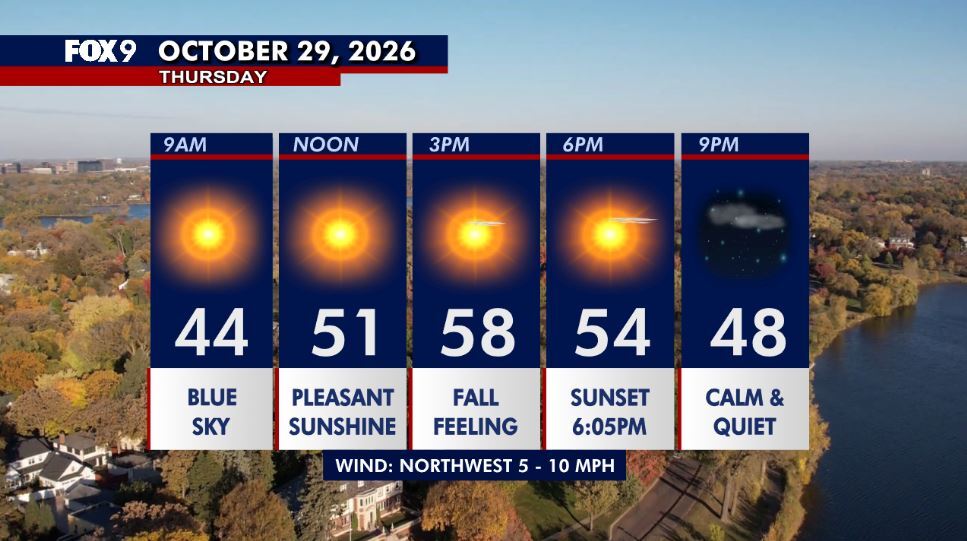
Sunny and very nice for late October.
By Marcus Chen
Advertisement · Why this ad?
Katherine oversees editorial operations across all six brands. Before joining The Meridan Group, she spent 14 years at the Minneapolis Star Tribune, where she led the metro desk through its digital transformation. She holds a Master's in Journalism from Northwestern's Medill School.
More from Katherine →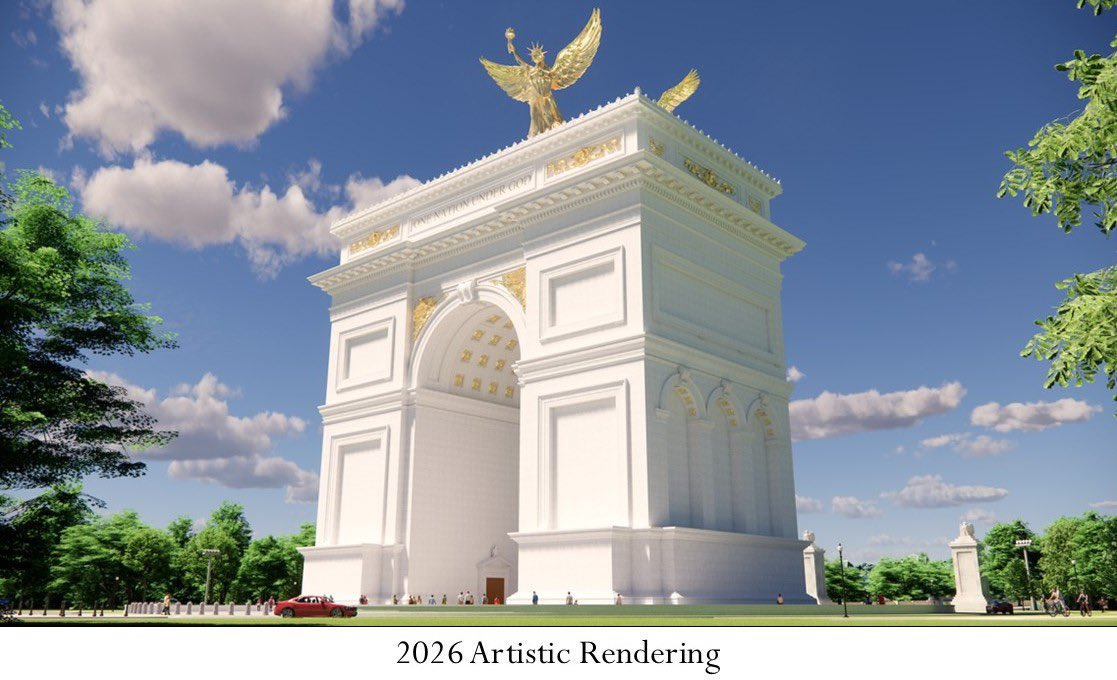
On a crisp autumn morning, the sun cast a golden hue over Memorial Circle, a site steeped in history and community significance. Families strolled along the pathways, children played in the nearby park, and the chatter of neighbors filled the air. Yet, beneath this serene atmosphere lies a contentious debate that could reshape the very landscape of Edina. The District of Columbia and Virginia have taken a bold step, filing a federal lawsuit intended to block the proposed construction of a Triumphal Arch at Memorial Circle, citing concerns that extend beyond aesthetics to encompass traffic, environmental, and airspace implications.
In a move that has stirred the pot in local civic discussions, the lawsuit filed by D.C. and Virginia aims to halt the ambitious plans for the Triumphal Arch. The proposed structure is envisioned as a tribute to the region's rich history and a symbol of unity. However, officials from both jurisdictions argue that the project is unlawful, raising alarms about potential traffic congestion, environmental degradation, and airspace violations. The legal action underscores a growing tension between the desire for commemorative landmarks and the practical realities of urban planning.
The lawsuit, lodged in federal court, outlines specific concerns regarding how the arch could obstruct traffic flow in an already congested area. With Memorial Circle serving as a critical junction for commuters and local residents alike, the addition of a large structure could exacerbate existing issues, leading to longer travel times and increased frustration among drivers.
Moreover, environmental advocates have joined the fray, cautioning against the potential impact on local ecosystems. The arch's construction could disrupt habitats and alter the landscape in ways that have yet to be fully assessed. As such, the lawsuit calls for a comprehensive environmental review before any further steps are taken. The implications of this legal battle extend beyond the immediate vicinity of Memorial Circle, touching on broader themes of urban development and community values.
The reaction from Edina residents has been mixed, reflecting the diverse perspectives within the community. Some residents express strong support for the Triumphal Arch, viewing it as a necessary addition that honors the past while enhancing the cultural fabric of the area. “This arch could serve as a beacon of hope and resilience,” noted longtime Edina resident Margaret Anderson, who has lived in the area for over three decades. “It would be a beautiful reminder of our history and a place for families to gather.”
Conversely, there are those who share the concerns raised in the lawsuit. Local business owner Tom Richards, who operates a cafe near Memorial Circle, worries about the potential for increased traffic and congestion. “We already face challenges with parking and access,” he said. “Adding a major structure could make it even harder for customers to visit.”
As the community grapples with these differing viewpoints, local leaders have encouraged open dialogue. Town hall meetings have been organized to provide a platform for residents to voice their opinions and engage in constructive discussions about the future of Memorial Circle. The goal is to find common ground that respects both the desire for historical recognition and the practical needs of the community.
The legal framework surrounding the proposed Triumphal Arch is complex, highlighting the intersection of local governance and federal regulations. The lawsuit filed by D.C. and Virginia raises questions about jurisdiction and authority over land use in the area. Memorial Circle, while situated in Edina, is part of a broader metropolitan landscape that includes multiple stakeholders.
According to legal experts, the outcome of this lawsuit could set a precedent for future projects that seek to commemorate historical events or figures. If the court sides with D.C. and Virginia, it could signal a shift in how local governments approach urban development, particularly in areas with significant historical or environmental considerations.
The legal proceedings are expected to unfold over the coming months, with both sides preparing for a thorough examination of the issues at hand. As the community watches closely, the implications of this case extend beyond the immediate outcome, raising questions about how Edina and surrounding areas will navigate the balance between development and preservation.
The stakes are high for Edina as it navigates this legal challenge. The proposed Triumphal Arch is not merely an architectural endeavor; it represents a vision for the community's future. Supporters argue that it could enhance local tourism, attract visitors, and provide a gathering space for families and events. This vision aligns with the broader goals of fostering community engagement and celebrating shared history.
However, the potential ramifications of the lawsuit could hinder these aspirations. If the court rules against the project, it may discourage similar initiatives aimed at enhancing community identity and pride. On the other hand, a ruling in favor of the arch could pave the way for more ambitious projects that celebrate Edina's heritage while addressing community concerns.
As residents reflect on what this means for their town, many express hope that a solution can be reached that honors both the past and the present. “We need to find a way to celebrate our history without compromising our quality of life,” said community advocate Lisa Chen. “It’s about striking the right balance.”
In light of the ongoing legal proceedings, community engagement will play a crucial role in shaping the future of Memorial Circle. Local leaders are committed to fostering an inclusive dialogue that allows residents to share their thoughts and concerns. This proactive approach aims to ensure that any decisions made reflect the collective values and priorities of Edina's diverse population.
As the lawsuit unfolds, residents are encouraged to participate in upcoming town hall meetings and forums designed to facilitate discussion. These gatherings will provide an opportunity for individuals to learn more about the legal implications of the case, as well as the potential impact on the community. Engaging with local representatives and experts will empower residents to advocate for their interests and contribute to a solution that serves the greater good.
Ultimately, the outcome of this lawsuit will not only shape the future of Memorial Circle but also serve as a reflection of Edina's commitment to balancing progress with preservation. As families continue to gather in the park and share in the rich history of the area, the hope remains that the community can come together to forge a path forward that honors its past while looking to the future.
By Marcus Chen

By Katherine Langford

By Katherine Langford
By Marcus Chen