Government
Spring Lake Park mayoral race ends in tie, winner could be decided by coin flip
By Katherine Langford
Advertisement · Why this ad?
Katherine oversees editorial operations across all six brands. Before joining The Meridan Group, she spent 14 years at the Minneapolis Star Tribune, where she led the metro desk through its digital transformation. She holds a Master's in Journalism from Northwestern's Medill School.
More from Katherine →
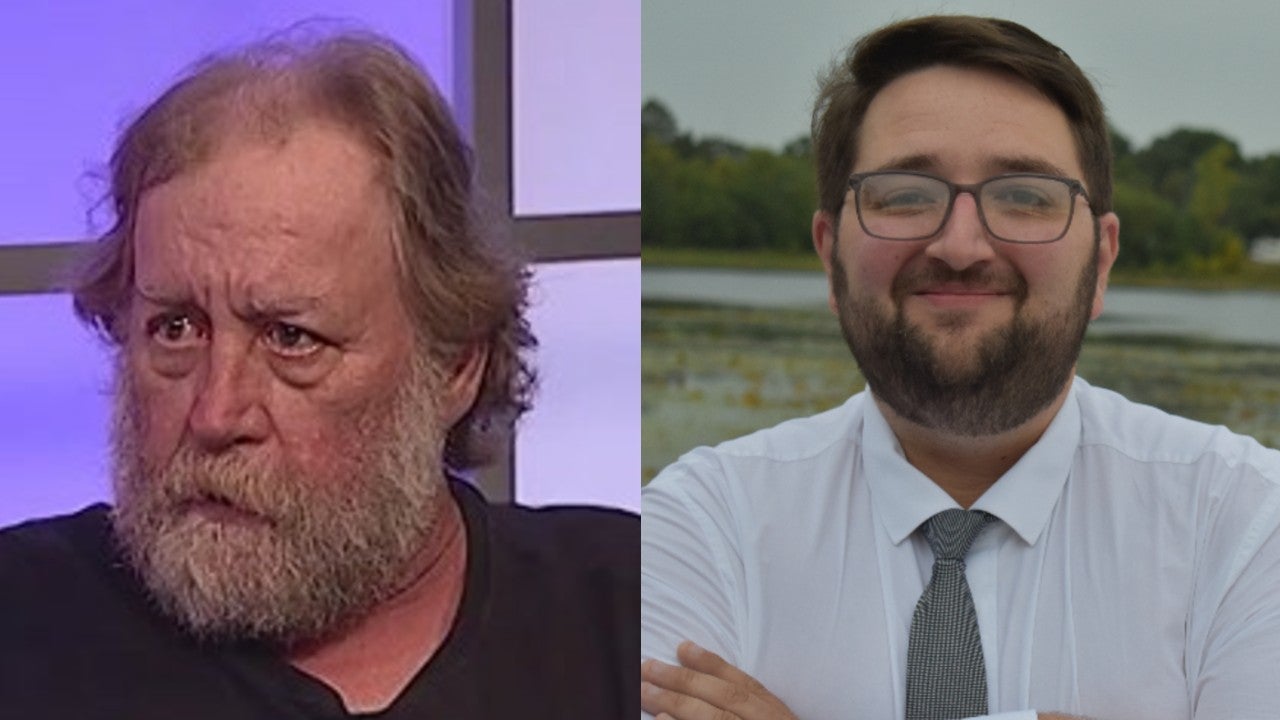
As the sun set over Spring Lake Park, the community gathered at City Hall, a palpable tension in the air. Residents exchanged anxious glances, their conversations punctuated by the uncertainty surrounding the mayoral race. With each candidate, Robert Nelson and Halyn Roth, receiving exactly 1,401 votes, the future of the city hangs in the balance, awaiting a decision that might come down to a game of chance.
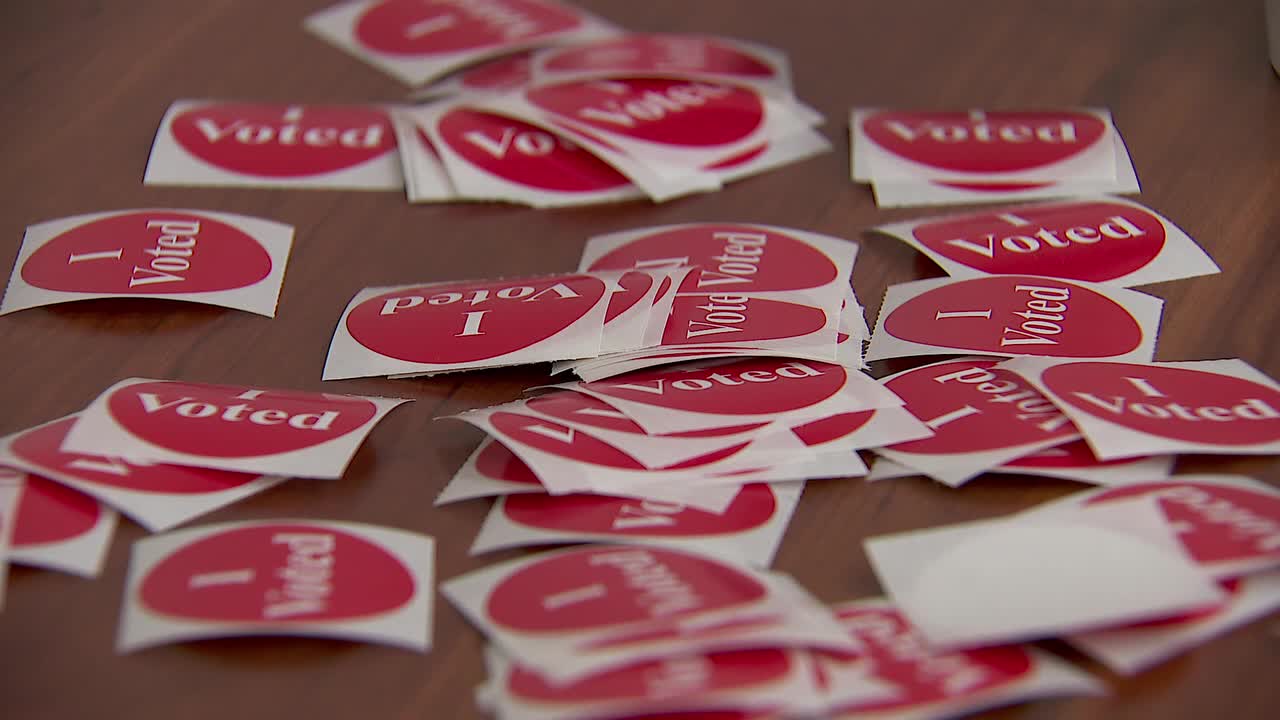
The recent mayoral election in Spring Lake Park concluded with an unprecedented tie, as both candidates garnered 49.77% of the total votes. According to the Minnesota Secretary of State, the results were officially reported, with a total of 2,815 votes cast, including 13 write-in votes. The City Council is set to canvass the results at a public meeting scheduled for Monday at 5:30 p.m. in the council chambers at City Hall.
If the tie remains after the canvassing, Minnesota law stipulates that the winner must be determined by a game of chance, which could involve a random drawing. This unusual circumstance has drawn attention not only for its rarity but also for its implications on governance in Spring Lake Park.
This situation is not without precedent. In 2018, a similar tie occurred in a Maplewood City Council race, which was initially settled by a coin toss. However, subsequent canvassing revealed that the incumbent had actually won by five votes, invalidating the coin toss decision.
Residents have expressed a mix of disbelief and curiosity regarding the potential resolution of the mayoral tie. Many community members gathered at local coffee shops and parks, discussing the implications of a random drawing to decide their next mayor. "It’s a bit unsettling to think that our leadership could come down to luck," said local resident Mary Johnson, emphasizing the need for a decisive outcome.
Others, however, see this as an opportunity to engage with the democratic process. "It’s a unique situation, but it shows how every vote truly counts," remarked Tom Anderson, a long-time Spring Lake Park resident. The community's involvement in the process has highlighted the importance of local governance and the value of civic engagement.
In addition to Mary and Tom, other residents have taken to social media to voice their thoughts. Local business owner Sarah Lee posted, "This is a chance for us to reflect on what we want for our community. Let’s not leave it to chance!" Her sentiments resonate with many who feel a strong connection to Spring Lake Park and want to ensure their next mayor aligns with their vision for the city.
Community groups have also started to mobilize, encouraging residents to attend the upcoming City Council meeting. The Spring Lake Park Civic League, a grassroots organization, is planning to host a forum where residents can discuss the implications of the tie and the candidates’ platforms. This initiative aims to foster a deeper understanding of the electoral process and encourage more robust participation in future elections.
The tie in Spring Lake Park is a reminder of the fragility of electoral outcomes, particularly in local races where voter turnout can be limited. In the past, several close races have prompted recounts and other forms of scrutiny. For example, Brooklyn Park's 2021 special mayoral election was decided by a mere two votes, showcasing the significance of each ballot cast.
As the community awaits the results of the canvassing meeting, the precedent set by previous elections looms large. The possibility of a recount also exists, as the Spring Lake Park City Council race was closely contested, with only 17 votes separating second-place candidate Eric Julien from third-place Kenneth Wendling. This close margin makes the race eligible for a publicly funded recount, adding another layer of complexity to the electoral process.
The upcoming City Council meeting on Monday will be pivotal for determining the next steps in this unusual electoral situation. After the canvassing, eligible candidates will have until 5 p.m. on November 16 to request a recount, should they choose to do so. If a recount is requested, it is tentatively scheduled for November 17 at the Anoka County Courthouse, although the specific time has yet to be set.
For the residents of Spring Lake Park, the outcome of this election is more than just a matter of political leadership; it is about community identity and the values that guide their shared future. As discussions unfold, it is evident that the residents are deeply invested in the integrity of their local government.
In light of these developments, the community must remain engaged and informed. The decision-making process surrounding the tie could serve as a learning experience for residents, emphasizing the importance of participation in local elections and the democratic process.
The implications of this tie extend beyond the immediate election results. A game of chance to determine the mayor could raise questions about the legitimacy of the electoral process in the eyes of the community. Residents may wonder whether a random drawing reflects their values and priorities as a city.
Moreover, the close nature of the race underscores the importance of voter turnout and engagement. With only a few votes separating candidates, the community is reminded that every ballot matters. This situation could serve as a catalyst for increased voter participation in future elections, as residents recognize the direct impact their choices have on local governance.
Furthermore, the potential for a recount highlights the need for transparency and accountability in the electoral process. As candidates and residents alike navigate this uncertain terrain, the commitment to uphold democratic principles will be crucial in maintaining trust in local leadership.
As the situation evolves, civic leaders and organizations in Spring Lake Park are calling for increased engagement in the democratic process. Workshops and informational sessions are being planned to educate residents about their rights and the importance of their vote. This grassroots movement aims to empower citizens, ensuring that they understand the impact of their participation in local governance.
Community members are also encouraged to share their thoughts and concerns with the City Council during public comment periods. This direct line of communication can foster a stronger relationship between residents and their elected officials, ultimately leading to more responsive governance.
As Spring Lake Park prepares for the upcoming City Council meeting, the community remains on edge, awaiting clarity in a situation that has captured the attention of residents. The tie in the mayoral race between Robert Nelson and Halyn Roth serves as a poignant reminder of the importance of civic engagement and the power of each vote. Whether the outcome is decided by a game of chance or through a recount, the residents of Spring Lake Park are poised to make their voices heard in the ongoing dialogue about their city's future.
By Katherine Langford
By Katherine Langford

By Marcus Chen
By Marcus Chen